Why Hiring a Trustworthy Residential Electrician Is Essential for Your Safety
Selecting a trustworthy home electrician is essential for ensuring home safety. Electrical work demands accuracy and compliance with safety guidelines. Improper wiring installations can cause significant risks, including electrical fires and shocks. A qualified electrician not only provides technical skill but also necessary credentials and coverage. Being aware of the hazards of DIY electrical work and the importance of hiring a professional can greatly impact household safety. What factors should homeowners evaluate when choosing the best professional for their electrical needs?
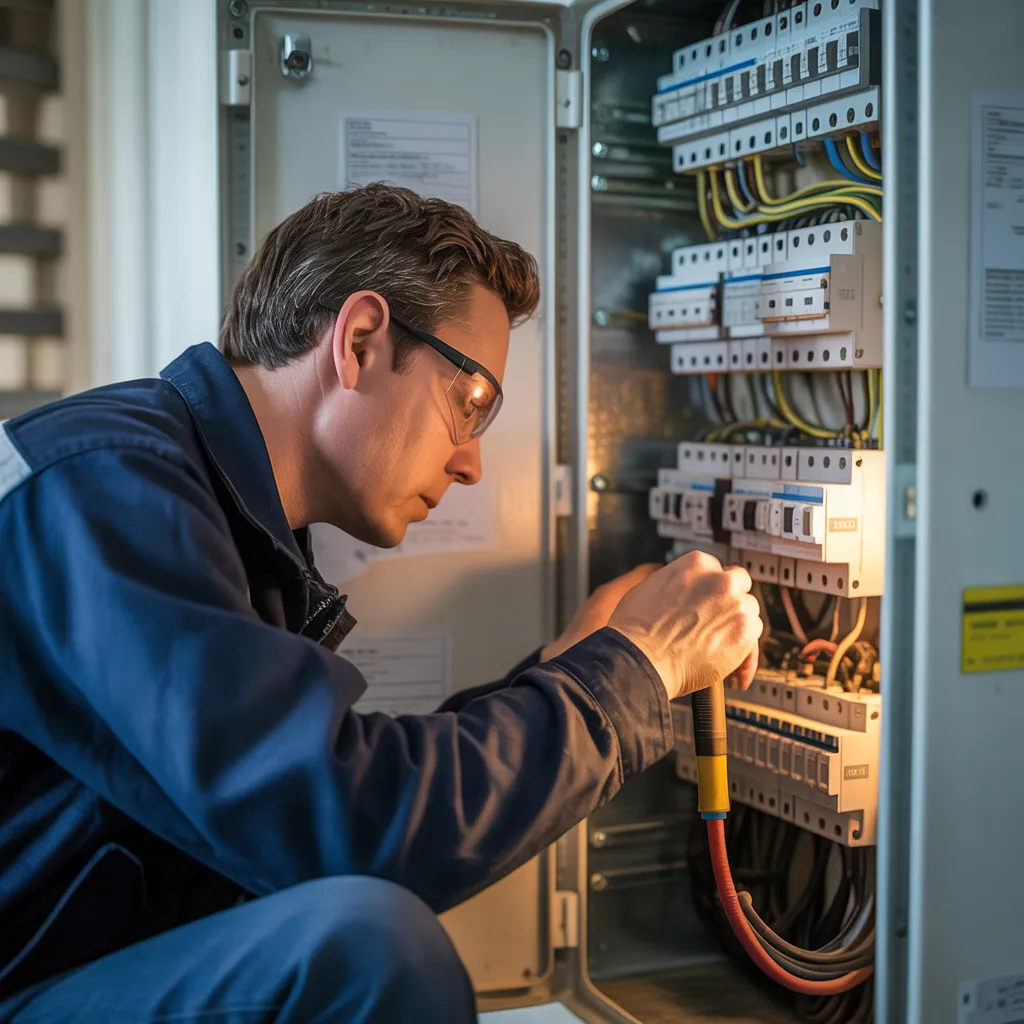
The Dangers of DIY Electrical Work
Attempting electrical projects yourself can lead to significant dangers that often surpass any possible cost benefits. A large number of homeowners overlook the challenges of home electrical systems, which can lead to hazardous conditions. Defective wiring, for instance, can cause house fires, putting at risk the safety of lives and property. Furthermore, inadequate installation of fixtures or examination outlets may create hazards that are not obvious at first, creating ongoing safety risks.
Electrical codes and regulations are in place for good reason, ensuring safety and adherence to standards. Non-compliance with these regulations can result in legal ramifications and complications during home inspections. In addition, attempting DIY electrical work can result in expensive repairs when problems occur, canceling out any money saved at the outset. Without the necessary training and experience, individuals may overlook critical details, rendering the circumstances more dangerous. Ultimately, engaging a trusted residential electrician is key to ensuring safety and regulatory compliance, providing peace of mind that only professional expertise can offer.
Frequent Electrical Issues That Demand Expert Attention
Many homeowners frequently experience typical electrical problems that necessitate the knowledge of a qualified electrician. Flashing lights, frequently a sign of damaged wiring or unstable connections, can create dangerous safety concerns. Furthermore, constant circuit breaker interruptions may signal electrical overloading or a short circuit, all of which necessitate urgent action. A further common problem involves non-functional outlets, which can stem from multiple causes, including wiring faults or faulty devices. Residents may also detect crackling or buzzing noises from electrical outlets and switches, indicating damaged components or electrical arcing. Moreover, an unexplained increase in energy bills might suggest hidden electrical problems. To conclude, the presence of a burning smell near electrical components should not be overlooked, as it can signal dangerous conditions. Addressing these issues promptly with the assistance of a professional electrician secures both the well-being of the household and the lifespan of its electrical infrastructure.
Tips for Choosing a Qualified Electrician
When choosing a licensed electrician, it is essential to check their licenses and credentials to guarantee compliance with regional standards. Furthermore, assessing their skills and experience can help determine their capacity to address specialized electrical work. This detailed review helps homeowners make informed decisions and copyright safety standards.
Validate Credentials And Licenses
To verify the quality and safety of electrical services, confirming the qualifications and licenses of a potential electrician is critical. This step guarantees that the electrician has finished the required training and education to carry out electrical tasks safely and effectively. A qualified electrician has passed specific exams and follows national and local electrical codes, which safeguards homeowners against potential risks. It is recommended to obtain copies of licenses and verify their validity through local licensing authorities. Furthermore, checking any professional affiliations or credentials can also reflect expertise. By implementing these measures, homeowners can substantially lower the risk of engaging unqualified workers, thereby enhancing both safety and overall satisfaction with the electrical services rendered.
Assess Experience And Expertise
Assessing the background and qualifications of an electrician is crucial for guaranteeing quality workmanship. A competent electrician should possess a strong background in residential electrical work, ideally with a number of years of hands-on experience. This background can be measured through client testimonials, online reviews, or professional references. Furthermore, specialized training or certifications, such as those in smart home technology or energy management, can suggest a greater degree of skill. It is also beneficial to ask about past work similar to the client's requirements, as this can offer a glimpse of the electrician's problem-solving abilities and adaptability. In the end, selecting an electrician with a proven track record improves the likelihood of obtaining reliable and professional electrical services.
The Importance of Licensing and Insurance When Hiring an Electrician
Picking a residential electrician involves thoughtful attention to several factors, with licensing and insurance standing as critical requirements. A licensed electrician showcases a degree of expertise and commitment to industry standards, ensuring they have the necessary expertise and skills to perform electrical work safely and effectively. Licensure additionally acts as a layer of protection for residents, as it typically requires completing examinations and continuous learning.
Insurance is equally important, covering both the electrical professional and the homeowner. Should accidents or damages occur during a project, insurance can cover repair costs and liability claims, reducing financial risk for homeowners. Without appropriate insurance coverage, homeowners might bear responsibility for injuries or property damage. Therefore, confirming an electrician's licensing and insurance is essential for guaranteeing a safe and dependable electrical installation, ultimately contributing to the overall safety and integrity of the home's electrical system.
Important Maintenance Tips for a Safe Residential Electrical System
Regular maintenance is essential for guaranteeing a reliable home electrical system. Property owners should periodically check outlets and switches for any evidence of wear or malfunction, such as discoloration or abnormal warmth. It is also important to evaluate circuit breakers to verify they are working as intended and to reset any tripped breakers promptly. Ensuring electrical panels remain unobstructed and clean can promote both safety and accessibility when emergencies arise.
In addition, homeowners should avoid overloading circuits by balancing electrical loads evenly throughout outlets. Using surge protectors can help safeguard appliances from sudden voltage fluctuations. Consistently testing smoke and carbon monoxide detectors is crucial, as they are fundamental to residential safety. Finally, consulting a licensed electrician for regular yearly evaluations can detect potential problems early and guarantee the electrical system runs efficiently, preserving a safe living environment for everyone in the household.
Analyzing Customer Reviews: What Are the Key Factors?
When seeking a trustworthy home electrician, client reviews act as a helpful tool for making informed decisions. Future clients should concentrate on key details within these reviews to evaluate the electrician's expertise and trustworthiness. Initially, search for comments on the standard of work performed; consistent praise for neatness and thoroughness is a good sign. Next, examine the electrician's interpersonal skills; reviews emphasizing quick communication and transparent information reflect a professional approach.
In addition, evaluate feedback on timeliness and compliance with project timelines, as this reflects the electrician's appreciation of clients' time. Finally, be mindful of how concerns are resolved; a conscientious electrician displays a commitment to customer satisfaction. By reviewing these important elements in customer reviews, homeowners can more accurately determine electricians who prioritize professionalism and safety in their work.
Common Questions and Answers
What Credentials Should I Look for When Hiring an Electrician?
When selecting an electrician, one should prioritize qualifications such as appropriate licensing, insurance, applicable certifications, experience in residential work, favorable customer feedback, and adherence to safety regulations. Such criteria secure quality and reliability in electrical services.
How Can I Verify an Electrician's Credentials?
To verify an electrician's qualifications, it is advisable to look for valid licensing, adequate insurance, and relevant certifications. Additionally, reading online feedback and obtaining recommendations from trustworthy contacts can give you a clearer picture of their professional competence and dependability.
What Happens During an Electrical Inspection?
When undergoing an electrical inspection, you can expect a comprehensive assessment of panels, wiring, and outlets. The electrician will check for potential safety hazards and code compliance, and perform necessary tests to guarantee the system functions properly and efficiently.
How Can Electrical Codes Influence My Home?
Electrical codes define safety requirements that guarantee installations remain safe and effective. They govern wiring, grounding, and equipment specifications, serving to prevent hazards like fires and electrical shocks, ultimately protecting both property and inhabitants.
What Are the Indicators of a Quality Electrician?
A good electrician demonstrates timeliness, holds appropriate certifications, communicates clearly, delivers thorough estimates, and displays exceptional problem-solving abilities. Moreover, glowing customer testimonials and a robust warranty on services performed are essential markers of trustworthiness and professional standards.